Bridal showers have always been hosted by the Maid, or Matron, of Honor or the Bridesmaids. Today however, if they are unable to throw the shower, then it is acceptable for a close friend, relative, or co-worker of the future bride or her mother to hold the shower. In the past, strict rules of etiquette prevented the bride's family members from throwing the bridal shower since gifts are expected. Today, modern bridal showers are more relaxed and this rule is often overlooked. When planning to throw a bridal shower, it is best to consult with the families involved in order to decide how closely you should follow tradition.
Showers were generally not held for the second-time bride. Over time, however, this tradition has been disregarded. Although they are often simpler and less elaborate, showers for brides who are remarrying are still held in the same spirit of those for first-time brides.
Early bridal showers tended to be much more intimate than modern showers. Unlike today's showers, the first bridal showers only included guests who were very close friends or relatives. In addition, it was only women who were invited. Today, however, the participation of men in showers, and weddings in general, has significantly increased. Co-ed or "couple" showers that honor both the bride and groom are very popular.
When creating the guest list for a bridal shower, consider the wishes of both the bride and groom. Since it is possible that another family member or friend is planning a bridal shower for the bride or the couple, consider the fact that the same guest(s) may be invited to more than one shower. This can be extremely taxing on a guest's pocketbook. A good rule of thumb: the same guest should be invited to only one or two showers at the most, with the exception being members of the immediate family.
Free Bridal Shower Games with printable games that can be instantly printed right from your printer. Are you having a buffet? Free
printable food label cards add a lovely touch to any display of
delicious chow at an engagement party or bridal shower.
The guest list for a bridal shower should be reviewed with the soon to be bride. It is not ever a good idea to invite people without here reviewing it unless you are absolutely sure and want it to be a surprise. More times than not, however, bridal showers are not a surprise- even if the host wants it to be.
Here is a wedding custom about kissing that comes from the Swedish folk so everyone gets a shot at kissing the bride and groom. When the bride or groom happen to leave the room during the reception, eager guests line up for a kiss. Sounds like a pretty loving party! |
Wedding Toasts

Wedding Toasts
Best Man, Bride, Groom...
Invitations
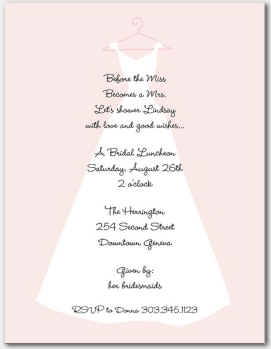
Bridal Shower Invitations
Click for full selection
Invitations
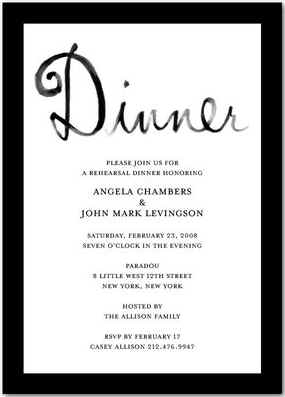
Engagement Party Invitations and Announcements
Click for full selection |







 75 Printable Bridal Shower Games